Architectural integration as the new language of luxury design
Architectural integration now sits at the heart of luxury villa design trends 2026, reshaping how couples think about privacy, landscape and long term comfort. Instead of importing a generic luxury design aesthetic, architects and interior designers are creating high end homes that feel rooted in their surroundings, with every space responding to climate, views and local culture. This shift in contemporary villa design means the most coveted retreats are no longer the brightest objects on the hill but the quietest, most carefully tuned living spaces on the coast, in the jungle or on the cliff edge.
For international buyers and villa renters, this new direction is not about less luxury but about a more authentic connection to the site. Architects, interior designers and homeowners now work as one design équipe, using advanced software to model floor plans that follow the land rather than fight it, while smart home systems manage lighting, climate and security in the background. As one recent expert summary from the American Society of Interior Designers notes, “Warm minimalism is a design style emphasizing simplicity with warm, natural materials,” and that principle now guides both interiors and outdoor spaces in many custom homes.
On a premium booking platform, you will see this philosophy expressed in the way each estate is described, from the indoor outdoor transitions to the layered lighting in every living area. Look for language that explains how natural materials such as stone, timber and lime plaster are used to frame natural light rather than compete with it, and how each room is oriented to a view or a breeze instead of a corridor. When a listing for luxury villa design trends 2026 talks clearly about custom design choices, long term durability and the feel of each living area at different times of day, you are usually looking at a property shaped by genuine architectural integration rather than surface level decoration.
From marble and gold to volcanic stone and reclaimed timber
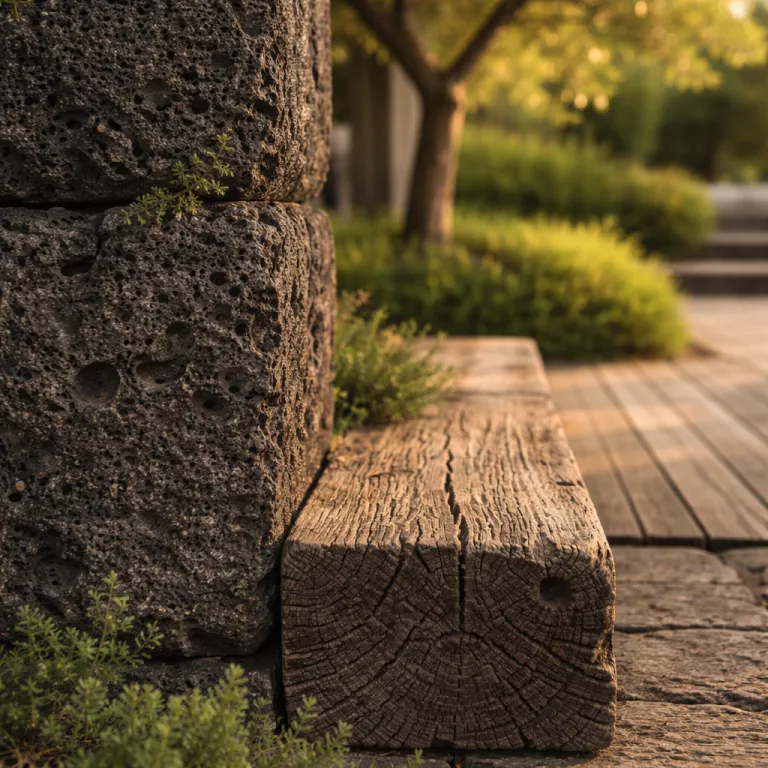
The most interesting luxury villa design trends 2026 are defined by material honesty rather than imported opulence. On Santorini, for example, the most desirable luxury homes are now carved into the caldera rock, using volcanic stone for both exterior walls and cool interior spaces, so the villa seems to grow from the cliff instead of sitting on top of it. In Costa Rica and other tropical real estate markets, reclaimed timber and local stone are used in outdoor living areas and covered terraces, creating a tactile feel that suits the rainforest rather than a city penthouse.
This material shift changes how a room behaves, not just how it looks, and that matters when you are choosing between properties on a luxury booking website. Volcanic stone floors hold coolness under bare feet, while reclaimed timber ceilings soften acoustics in large living areas and help layered lighting feel warm instead of clinical. When you study a floor plan or gallery, pay attention to how natural materials are combined with natural light, because the best custom homes use stone, timber and plaster to bounce and filter daylight into interiors instead of relying on constant artificial lighting.
In coastal destinations such as Wailea in Maui, some of the most refined beachfront villas now use basalt, coral stone and native woods to frame the horizon, a far cry from the marble and gold era of luxury design. A good example is the new generation of properties highlighted in guides to luxury beachfront living in Wailea villas, where outdoor spaces, pools and living rooms share the same restrained color palettes drawn from sand, lava and sea. When a listing for luxury villa design trends 2026 explains exactly which natural materials are used, and why they suit that microclimate, you can be confident the estate has been designed for long term comfort rather than short term, purely cosmetic glamour.
Biophilic interiors and the indoor outdoor threshold
Biophilic design, the practice of connecting interiors with nature to support wellbeing, has moved from theory into the core of luxury villa design trends 2026. In Bali, Costa Rica and the Greek islands, the most sought after luxury homes now blur the line between living area and garden, using sliding walls, shaded verandas and open air bathrooms to create a continuous indoor outdoor experience. This is not a stylistic trick; it is a deliberate design trend that uses natural light, airflow and greenery to reduce stress and make every room feel like part of the landscape.
For couples booking a romantic escape, this biophilic approach changes how you inhabit the space over a long term stay. Morning coffee might be taken in an outdoor living pavilion where layered lighting fades with the sunrise, while evenings unfold in a living area that opens directly to a pool terrace framed by palms and stone planters. When you read a listing, look for specific references to indoor outdoor living areas, cross ventilation, shaded outdoor spaces and planting schemes, because these details show that the custom design has been tuned to the local climate rather than copied from another estate.
On Sardinia’s coast, for example, some of the most compelling villas now embed living spaces into the rock, using native stone walls, green roofs and fragrant Mediterranean planting to create a seamless transition from interior to hillside. You can see this philosophy in many of the properties featured in guides to elegant villas in Sardinia with sea views, where outdoor living is treated as a primary room rather than an afterthought. When a platform curates luxury villa design trends 2026 with this level of architectural integration, you gain a more real sense of how the space will feel from sunrise swims to late night dinners under the stars.
Warm minimalism, layered lighting and the new interior mood
Inside these villas, warm minimalism has become the dominant mood for luxury villa design trends 2026, replacing heavy decoration with calm, edited interiors. Instead of ornate furniture and bright accent walls, you will find soft color palettes, generous sofas, sculptural stone basins and carefully chosen artworks that echo the landscape outside. This approach allows the architecture, the view and the quality of natural light to carry the sense of luxury, while the interiors quietly support relaxed, intimate living.
Lighting is where the difference between a standard rental and a serious luxury design project becomes obvious. The best custom homes now use layered lighting schemes that combine concealed architectural lighting, dimmable pendants and low level lamps, so each room can shift from bright practicality to soft romance with a single touch. When you read about a property, look for mentions of lighting control systems, warm color temperatures and how natural light is managed through screens, louvers or deep window reveals, because these details show that interior designers have thought about the full day and night cycle.
Floor plans also reflect this new sensibility, with open living spaces that still protect intimacy for couples. A well considered floor plan might place the primary bedroom slightly apart from the main living area, connected by a covered outdoor walkway that becomes its own quiet space at night. When a listing for luxury villa design trends 2026 explains how interiors are zoned, how living areas relate to terraces and how color palettes shift between social and private rooms, you gain a clear, real understanding of whether that estate suits your style of living before you continue reading the next option.
What to look for in villa credentials and real estate listings
On a luxury and premium booking website, the language of a listing often reveals how deeply architectural integration has been considered. Serious projects will name the architects and interior designers, explain how the design responds to local regulations and climate, and describe the use of sustainable natural materials in both interiors and outdoor spaces. When you see this level of detail, you are usually looking at an estate that has been designed with the same rigor as a high end primary residence rather than a generic rental product.
For international buyers and long term renters, it pays to read the floor plans as carefully as the photo gallery. Check how the living area connects to terraces and pools, whether bedrooms have cross ventilation and natural light from more than one side, and how circulation space has been minimized in favor of generous living areas. A good listing aligned with luxury villa design trends 2026 will also mention smart home systems for lighting and climate, energy efficient glazing and, increasingly, the use of carbon sequestering materials such as engineered timber or low carbon concrete.
Real estate style descriptions that simply repeat the words luxury design, luxury homes or custom design without explaining the underlying design trends should make you pause. Instead, prioritize properties where the narrative explains why certain natural materials were chosen, how indoor outdoor transitions work in practice and what makes the estate comfortable across seasons. When a platform like villa-stay.net highlights these specifics and links them to broader luxury villa design trends 2026, you can trust that the curation is based on real design quality rather than purely promotional language.
How to match villa design trends with your romantic travel style
Once you understand the main luxury villa design trends 2026, the next step is aligning them with how you actually travel as a couple. If you value quiet mornings and long term stays, prioritize villas with generous outdoor living areas, shaded terraces and flexible living spaces that allow one of you to read while the other swims or works. For couples who travel frequently, it can be worth building a shortlist of estates whose floor plans, interiors and outdoor spaces consistently match your preferred rhythm of living.
Different destinations express architectural integration in distinct ways, and a good booking platform will help you read those nuances. In Queensland, for example, many of the most romantic villa style stays now use deep verandas, plunge pools and soft color palettes to frame the tropical light, as highlighted in guides to romantic villa escapes with spa facilities. Bali, by contrast, often leans into open pavilions, lush planting and stone lined pools, while Costa Rica’s jungle villas use elevated decks and screened living areas to keep you close to nature without sacrificing comfort.
As you continue reading through listings, keep a simple checklist in mind that reflects luxury villa design trends 2026 rather than old clichés of luxury. Does the estate use natural materials that suit its setting, and are the interiors calm rather than cluttered? Are indoor outdoor connections, layered lighting and thoughtful floor plans clearly explained, giving you a real sense of how the space will feel at different times of day? When the answer is yes across several properties, you are no longer just booking a villa; you are choosing a piece of architecture that will quietly shape your shared memories long after the trip ends.
Key figures shaping luxury villa design and living
- Industry analyses from organizations such as the World Green Building Council indicate an increase of around 25% in the use of sustainable natural materials in high end residential projects over recent years, reflecting the shift toward architectural integration and environmentally responsible luxury homes.
- Smart home adoption in premium properties has grown by roughly 30% in the same period, according to multiple market research reports, which directly supports layered lighting schemes, efficient climate control and seamless indoor outdoor living experiences in custom homes.
- In many coastal and island markets, a significant share of new real estate developments now specify open floor plans and biophilic design elements, indicating that these design trends have moved from niche experiments into mainstream expectations for luxury design.
- Booking data reported by leading villa platforms consistently shows higher occupancy and better long term performance for estates that highlight natural light, outdoor spaces and thoughtful floor plans, compared with similarly priced properties that rely on decorative luxury alone.
FAQ about architectural integration in luxury villa rentals
What does architectural integration mean in a luxury villa context?
Architectural integration in luxury villa design means the building, interiors and landscape are conceived as one coherent space that responds to local climate, topography and culture. Instead of imposing a generic style, architects use natural materials, tailored floor plans and indoor outdoor connections to make the estate feel as if it belongs to its site. For guests, this usually translates into more comfortable living areas, better natural light and a stronger emotional connection to the place.
How does warm minimalism affect the feel of a villa stay?
Warm minimalism strips away visual noise while keeping tactile comfort, so rooms feel calm rather than empty. In practice, this means restrained color palettes, generous but simple furniture, and carefully chosen natural materials such as stone, timber and linen that age gracefully over the long term. Couples often find that this kind of interior supports relaxation and intimacy, because the focus shifts from objects to views, light and shared experiences.
Why are natural materials so important in luxury villa design trends 2026?
Natural materials such as stone, timber and lime plaster perform well in many climates and help regulate temperature and humidity, which is crucial in coastal and tropical locations. They also support the broader trend toward sustainability, especially when sourced locally or reclaimed, and they give interiors a real sense of place that generic finishes cannot match. For renters and buyers, this usually means more comfortable living spaces and a more authentic connection to the destination.
What should I check in a floor plan before booking a villa?
When reviewing a floor plan, focus on how the living area connects to terraces, pools and outdoor spaces, and whether bedrooms have privacy, cross ventilation and good natural light. Look for clear zoning between social living areas and quiet rooms, minimal wasted circulation space, and at least one sheltered outdoor living area that works in both sun and rain. These details are strong indicators that the villa follows current luxury villa design trends 2026 rather than relying on surface level decoration.
How can I tell if a villa’s design will work for a romantic stay?
For a romantic trip, prioritize villas where the design narrative mentions privacy, quiet outdoor living areas and flexible lighting rather than just size or number of rooms. Properties that explain their use of layered lighting, warm color palettes and indoor outdoor transitions usually offer more atmospheric evenings and more comfortable mornings. Reading beyond the photographs to understand how the estate is designed to be lived in will help you choose a villa that supports the way you and your partner actually travel.