World Tourism Day as a lens on sustainable villa travel
World Tourism Day arrives as a quiet audit of how we travel. For families booking exclusive villas, it turns the spotlight on whether World Tourism Day sustainable villa travel can align indulgence with sustainable tourism and genuinely responsible travel for the long term. This is the moment when the tourism industry, and especially the high end travel industry, must show how private estates can support people and place rather than simply occupy the most photogenic destinations.
At villa scale, tourism becomes intimate, and the world feels very close. You are not one of hundreds in a tower ; you are a single household in a local community based setting, and your travel experiences can either strengthen that community or quietly erode it over the year. World tourism conversations around sustainability tourism and tourism sustainable practices now ask whether each destination and every villa can prove that its footprint is low density, its sourcing is local, and its tourism development impact is genuinely good for the community.
Families planning sustainable travel for World Tourism Day sustainable villa travel should treat the day as a practical checkpoint. Ask how the villa’s tourism organization partners with local guides, how it supports cultural experiences, and whether its model resembles community based tourism rather than an isolated compound. Used well, tourism day can help travelers turn a single stay into a catalyst for sustainable transformation in the wider tourism industry and for more global sustainable habits in their own lives.
What responsible luxury looks like in a private villa
Responsible luxury in villas starts with who benefits from your travel. A genuinely sustainable tourism approach means the majority of spend stays in the local destination, from the chef and housekeeper to the skipper, yoga teacher, and the people who maintain the garden and pool over the course of the year. When a villa is managed through a tourism organization that prioritizes community based employment, your stay becomes part of long term tourism development rather than a short lived extraction of value.
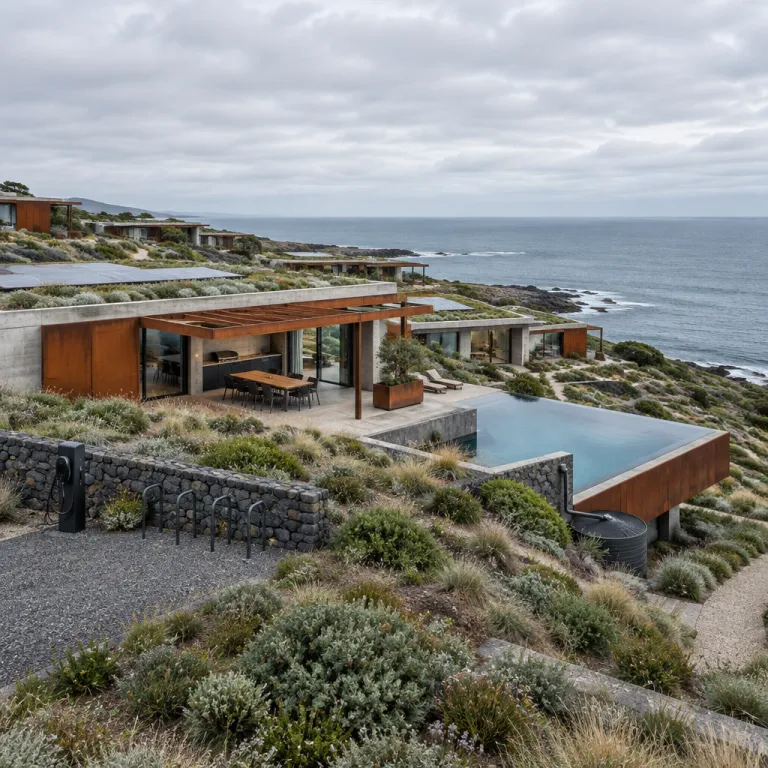
Look closely at how a property defines the term sustainability in its operations. The best examples of World Tourism Day sustainable villa travel show sustainability tourism in action through solar power, rainwater capture, native landscaping, and low impact architecture that respects both the land and the cultural context of the destination. For families, this turns abstract ideas about sustainable travel and responsible travel into visible daily rituals, from refillable glass bottles to menus built around seasonal produce from nearby farms and fisheries.
Marketing language can be slippery, so verification matters. Use frameworks from respected tourism industry bodies and guides such as independent sustainability checks for luxury villas to separate genuine tourism sustainable practices from green tinted gloss. When you see clear evidence of local sourcing, transparent reporting, and partnerships with community based tourism projects, you know that your World Tourism Day sustainable villa travel plans are aligned with global sustainable goals rather than just the latest travel experiences trend.
The family lens: modeling sustainable travel for the next generation
For premium families, a villa stay is often the highlight of the travel year. That makes World Tourism Day sustainable villa travel a powerful teaching moment, where children see how tourism can respect the world and still feel effortlessly luxurious. In a private estate, every choice is visible to younger travelers, from how you engage with local people to which places to visit you prioritise in your itinerary.
Choose villas that weave cultural experiences into the stay rather than keeping guests behind gates. A cooking class with a local chef, a guided walk with a marine biologist, or a visit to a community based craft cooperative turns tourism day themes into lived travel experiences that children remember. These encounters show that sustainable tourism and sustainability tourism are not abstract slogans but real relationships with destinations and the people who call them home.
Families can also use villa time to talk openly about the footprint of high end travel. Acknowledge that flying across the world has an impact, then show how responsible travel choices such as longer stays, fewer trips per year, and support for tourism sustainable initiatives can balance some of that cost over the long term. Resources such as guides to eco luxe villas help parents frame World Tourism Day themes in language that feels aspirational rather than punitive for younger travelers.
From marketing to measurable impact in villa destinations
The hardest question World Tourism Day asks of luxury travel is simple. Does this villa’s presence make the destination better for local people, or only more profitable for distant owners in the global tourism industry. The most convincing examples of World Tourism Day sustainable villa travel can show how their tourism development model channels guest spend into education, conservation, and community based projects that endure beyond a single day or season.
When you evaluate properties, look for clear, measurable commitments rather than vague promises about the term sustainability. Some villas publish annual impact reports that outline their sustainability tourism goals, their progress on energy use, and their partnerships with local tourism organization initiatives focused on conservation or cultural preservation. Others align with global sustainable standards set by independent tourism bodies, using them as a framework for long term sustainable transformation rather than a one off marketing badge.
Geography matters too, because not every world destination carries the same pressure. In fragile coastal places to visit, for example, a low density villa estate that restores native vegetation and funds reef protection can be better for tourism sustainable outcomes than a large resort complex. Case studies such as new generation coastal villa developments show how the travel industry can rethink scale, proving that fewer keys, higher spend, and deeper engagement with local communities can align luxury travel experiences with responsible travel and sustainable travel expectations.
FAQ
How can I tell if a luxury villa is genuinely sustainable ?
Start by asking for specific details about energy, water, and waste management, and how the villa supports local employment and suppliers. A property aligned with World Tourism Day sustainable villa travel principles will share concrete examples of sustainable tourism practices, not just broad statements. Look for third party verification, transparent reporting, and clear links to community based tourism or conservation projects in the destination.
Does booking a private villa always have a higher footprint than a resort stay ?
The footprint depends on how each property is built, operated, and supplied rather than the label on the door. A low density villa that uses renewable energy, sources food locally, and supports community based initiatives can sometimes outperform a large resort on key sustainability tourism indicators. The most responsible travel choice is usually the one that combines efficient design, strong local partnerships, and longer stays that reduce the number of trips per year.
What questions should I ask a villa host ahead of World Tourism Day ?
Ask how many local people the villa employs year round, how it sources food and services, and whether it supports any community or conservation projects. You can also request information about energy use, water treatment, and waste reduction to see how seriously the team treats the term sustainability. These questions signal that travelers value tourism sustainable practices, which encourages more owners to invest in long term sustainable transformation.
Can a family focused villa stay still count as responsible travel ?
A family villa stay can be a powerful example of responsible travel when it supports local livelihoods and respects cultural and environmental limits. Choosing villas that integrate local experiences, pay fair wages, and minimise resource use aligns family holidays with World Tourism Day sustainable villa travel values. Children then see that luxury, comfort, and sustainable travel can coexist in the same destination.
How does World Tourism Day relate to my individual booking decisions ?
World Tourism Day is a reminder that every trip contributes to the direction of the global tourism industry. When you choose villas that prioritise sustainable tourism, community based partnerships, and transparent sustainability tourism reporting, you reward the operators driving positive tourism development. Over time, those individual choices help shift the wider travel industry toward more global sustainable and tourism sustainable models, far beyond a single day of awareness or an add comment on social media.