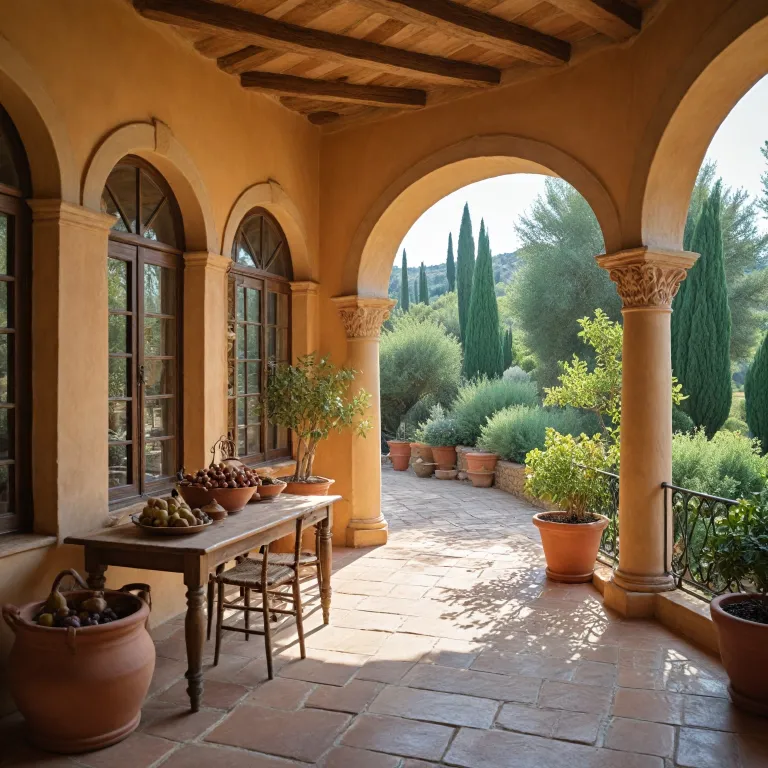
Living history in a Tuscany old Italian villa
A stay in a Tuscany old Italian villa offers more than comfort; it offers a direct connection to centuries of art, land, and heritage. In this region of Italy, where Ferdinand I de' Medici commissioned grand residences and Francesco Feroni invested in landmark properties, every stone and garden wall carries a story. For travellers seeking a refined alternative to anonymous resorts, these historic villas provide a rare blend of privacy, culture, and understated luxury.
Many of the most coveted villas sit within a short drive of Florence, in an area shaped by Renaissance ambition and Baroque elegance. Architects such as Giulio de Filippo Arrighetti once reimagined residences like Villa Agape to showcase frescoes, sculpture, and sweeping Italian garden layouts that still inspire today. When you book a Tuscany old Italian villa, you are effectively reserving a private chapter of this architectural narrative, framed by olive trees, cypress avenues, and distant castle silhouettes.
The typical property combines thick stone walls, vaulted ceilings, and original watch tower elements with contemporary comforts such as climate control and high speed connectivity. Outside, you will often find a swimming pool positioned to capture sunsets over olive groves and arable land, with terraces designed for long dinners under the trees. For guests who value authenticity, the presence of a restored century villa or nearby heritage site adds depth to every walk through the private garden or along the edges of the surrounding land.
Historic estates in Tuscany frequently include several hectares of land, measured in hundreds or even thousands of square metres (sqm). This generous area allows for landscaped lawns, an Italian garden, and sometimes multiple swimming pools, each with its own mood and view. When browsing real estate style listings on a luxury booking website, pay attention to how the property description balances built sqm with outdoor space, especially if you plan to host family gatherings or intimate celebrations.
Bedrooms bathrooms configurations in a Tuscany old Italian villa can vary widely, from compact three bedroom farmhouses to expansive castle conversions with guest wings. Look for clear info on ensuite layouts, separate guest suites, and accessibility between floors, particularly in a multi century villa with original staircases. A thoughtful layout ensures that every guest enjoys privacy while still feeling connected to the shared living areas, gardens, and pool terraces.
Because many of these villas originated as working estates, you may find olive grove parcels, vineyards, and arable land still in active use. Some owners bottle their own olive oil from on site olive trees, while others maintain ornamental olive groves purely for their silvery foliage and cultural symbolism. Whether you are renting for a week or considering a future sale Tuscany investment, understanding how the land is organised will help you appreciate the full value of the property.
From Medici legacies to modern luxury villa bookings
The story of the Tuscany old Italian villa is inseparable from the ambitions of merchants, nobles, and financiers who shaped the region. Residences such as Villa L'Ambrogiana and Villa Bellavista were conceived to demonstrate power, taste, and mastery over the surrounding land. Today, luxury booking platforms translate that legacy into curated stays, allowing guests to experience the same vistas and gardens with the added comfort of contemporary amenities.
In the hills around Florence and across the Chianti Tuscany landscape, you will find villas that once served as seasonal retreats for influential families. Many of these properties feature a central century villa flanked by farm buildings, watch tower structures, and chapels, now converted into guest suites with generous bedrooms bathrooms counts. When evaluating options online, look for detailed floor plans in sqm and clear info about how each building relates to the pool, gardens, and main living areas.
Some estates near San Casciano and along the Val Pesa corridor retain defensive elements reminiscent of a small castle, with thick walls and elevated terraces. Others in the Val Orcia and Casciano Val countryside emphasise agricultural heritage, with olive groves, vineyards, and arable land stretching towards the horizon. Whether the property leans more towards castle sale grandeur or farmhouse charm, the best listings will articulate how the land, trees, and architecture work together as a coherent experience.
Modern travellers often compare Tuscan villas with coastal retreats or urban penthouses when planning a multi destination journey. For example, a guest might pair a week in a Tuscany old Italian villa with a coastal staycation using a refined villa escape along the coast to balance countryside calm and ocean views. This contrast highlights the unique appeal of Tuscany, where the focus shifts from beaches and nightlife to vineyards, olive trees, and the quiet authority of centuries old stone.
When browsing a premium booking website, pay attention to how each listing situates the villa within its wider area. Proximity to Florence, San Casciano, or the Val Pesa wine routes can shape your daily rhythm, from morning market visits to evening tastings in Chianti Tuscany estates. A well presented property will also clarify access to heritage site attractions, walking trails, and nearby castles, ensuring that your stay feels both secluded and connected.
For guests considering a longer term relationship with a property, some platforms now bridge the gap between short stays and real estate exploration. You may encounter castle sale opportunities or sale Tuscany listings presented alongside rental options, allowing you to experience a villa before committing to purchase. In these cases, detailed info about land size in sqm, the condition of olive groves, and the potential for additional swimming pools becomes especially valuable.
Design details that define an authentic Tuscan villa stay
Authenticity in a Tuscany old Italian villa begins with architecture that respects its Renaissance and Baroque roots. Thick stone walls, terracotta floors, and timber beams are more than aesthetic choices; they are the result of traditional construction methods refined over centuries. When these elements are preserved and paired with discreet modern upgrades, guests enjoy both historic character and contemporary comfort.
Many villas in this part of Italy feature an Italian garden laid out on one or more terraces, often aligned with the main façade of the century villa. Symmetrical paths, low box hedges, and carefully placed trees frame views towards Florence, Chianti Tuscany vineyards, or distant castle profiles. A private garden of this kind becomes an outdoor salon, ideal for breakfasts, aperitivo, or quiet reading while the scent of olive trees and roses drifts through the air.
Water is another defining feature, with a swimming pool or multiple swimming pools positioned to capture light and landscape. In some properties, the pool sits just beyond the Italian garden, creating a visual link between formal design and the wilder land beyond. In others, an infinity swimming pool appears to merge with the Val Orcia or Val Pesa hills, turning every swim into a panoramic experience.
Inside, the arrangement of bedrooms bathrooms reflects both the original layout and later adaptations. Some villas retain grand suites in the main property, while guest rooms occupy former farm buildings or a converted watch tower. When reviewing listings, look for clear info about which bedrooms are in the principal villa, which open directly onto the garden or pool, and how many sqm each space offers for comfortable, extended stays.
Materials and craftsmanship also signal quality in a Tuscany old Italian villa. Fresco fragments, stone fireplaces, and hand carved doors speak to the same tradition that produced landmarks like Villa Bellavista and Villa Agape. As one regional overview notes, "Number of historic villas in Tuscany: 100 villas" and "Average age of these villas: 400 years," a reminder that you are entering a landscape where time itself is a central design element.
For travellers who appreciate design, comparing Tuscan villas with urban options such as a Miami penthouse for rent for a villa style escape can clarify priorities. In Tuscany, the emphasis falls on proportion, patina, and the dialogue between house, garden, and agricultural land. Whether the property includes a small olive grove or extensive olive groves, the interplay of built sqm and open area defines the rhythm of each day.
Gardens, olive groves, and the working landscape around your villa
The landscape surrounding a Tuscany old Italian villa is rarely ornamental alone; it is a living record of agricultural traditions. Olive trees, vineyards, and arable land have shaped the economy and culture of Tuscany for generations, and many villas still sit at the centre of working estates. When you book a stay, you are often stepping into a property where the garden, fields, and groves remain active parts of daily life.
An Italian garden close to the house usually gives way to more informal plantings and then to productive land. Here, rows of olive trees define the contours of the hills, creating a silvery green tapestry that changes with the light. Some estates in Chianti Tuscany and around San Casciano produce their own olive oil, offering guests tastings that connect the flavour in the bottle to the specific trees and soil of the property.
Beyond the immediate garden, you may find extensive olive groves, orchards, and plots of arable land used for grains or vegetables. These elements are not only picturesque; they also influence how you move through the area, from morning walks to sunset strolls. In the Val Pesa and Casciano Val zones, paths often lead from the villa past a watch tower or small chapel, then down towards streams or woodland edges.
Water features extend beyond the swimming pool, with traditional stone troughs, wells, and irrigation channels still visible in many estates. While modern systems now support the needs of the house and gardens, these historic structures offer a tangible link to earlier centuries. Guests who appreciate heritage site conservation will find that such details enrich their understanding of how land, labour, and architecture have long been intertwined.
For families or groups, the combination of private garden, pool terraces, and open land creates a versatile setting. Children can play safely within walled gardens, while adults explore olive groves or relax by the swimming pools with views towards Val Orcia or distant castle ruins. When reviewing listings, look for precise info about the extent of the land in sqm, the maintenance of the trees, and any shared areas if the property forms part of a larger estate.
Some travellers use a Tuscan stay as a reference point when considering property investments or even a future sale Tuscany project. Observing how a well managed villa integrates olive groves, arable land, and guest facilities can inform decisions about real estate opportunities elsewhere. Whether you are comparing a rural castle sale listing or a coastal retreat, the Tuscan model demonstrates how landscape, heritage, and hospitality can coexist gracefully.
How luxury booking platforms curate Tuscan villa experiences
Luxury and premium booking websites play a crucial role in translating the complexity of a Tuscany old Italian villa into clear, actionable choices. Unlike standard accommodation platforms, these sites must convey not only bedrooms bathrooms counts and pool dimensions, but also the character of the land, gardens, and historic structures. Their challenge is to present each property with enough detail for informed decisions, without overwhelming guests with technical data.
High quality listings typically begin with a concise narrative that situates the villa within its Tuscan area. They highlight proximity to Florence, San Casciano, Val Pesa, or Val Orcia, and explain whether the property feels more like a secluded century villa, a former castle, or a working farm with extensive olive groves. This context helps guests align expectations, whether they prioritise quiet evenings in a private garden or easy access to heritage site tours and wine tastings.
Visual storytelling is equally important, with galleries that move from aerial views of the land and trees to close ups of the Italian garden, pool, and interiors. Floor plans in sqm clarify how bedrooms bathrooms are distributed between the main villa, annexes, and any watch tower conversions. Detailed captions should note features such as multiple swimming pools, arable land suitable for events, or a castle sale wing now used as a grand entertaining space.
Because many guests are not familiar with rural Italian real estate terminology, the best platforms provide clear glossaries and responsive support. They explain distinctions between olive grove parcels and mixed olive trees plantings, or between formal gardens and wider agricultural land. Transparent info about maintenance, staffing, and local regulations reassures guests who may be considering a longer stay or exploring sale Tuscany opportunities during their visit.
Some booking sites also curate thematic collections, such as villas near Chianti Tuscany vineyards, properties with heritage site status, or estates featuring watch tower elements and castle like silhouettes. These collections allow guests to filter by atmosphere as well as by practical criteria like bedrooms bathrooms numbers or pool size. For travellers comparing countryside stays with coastal or island options, editorial features may reference experiences such as elegant villa stays in other regions, helping to frame Tuscany within a broader portfolio of luxury escapes.
Ultimately, the credibility of a booking platform rests on accurate representation and consistent quality. By investing in professional photography, on site inspections, and detailed property info, these websites build trust with guests who may be reserving a Tuscany old Italian villa from thousands of kilometres away. This commitment to clarity and authenticity mirrors the enduring values that shaped the region's villas in the first place.
Practical guidance for choosing your ideal Tuscany old Italian villa
Selecting the right Tuscany old Italian villa begins with clarifying your priorities and understanding the landscape of options. Start by deciding whether you prefer proximity to Florence and San Casciano, with easier access to cultural sites, or a more remote setting in Val Orcia or Casciano Val. Each area offers a distinct balance of tranquillity, services, and immersion in vineyards, olive groves, and historic architecture.
Next, consider the size and layout of the property in relation to your group. Review the bedrooms bathrooms configuration carefully, noting how many rooms are in the main villa versus annexes or a converted watch tower. Floor plans expressed in sqm help you gauge whether living areas, terraces, and the Italian garden will feel comfortably spacious during your stay.
Outdoor amenities deserve equal attention, especially if you plan to spend long days on the property. Confirm whether there is a single swimming pool or multiple swimming pools, and how these relate to the private garden and wider land. If you value views over olive trees, vineyards, or a distant castle, look for listings that provide clear info and photographs from the pool terraces and main outdoor seating areas.
For guests interested in local produce and landscape, the presence of an olive grove or broader olive groves can be a significant advantage. Some villas offer tastings of oil produced from their own olive trees, while others allow guests to walk freely through arable land and orchards. Understanding how these elements are managed will help you choose between a purely ornamental garden and a more actively farmed estate.
Finally, evaluate the level of service and support provided by the booking platform and on site team. Reliable real estate style documentation, transparent policies, and responsive communication indicate a professional approach to hospitality. Whether you are booking a short stay or quietly assessing a potential sale Tuscany or castle sale opportunity, working with experts who respect both the property and its history will enhance every aspect of your experience.
Key statistics about historic Tuscan villas
- Number of historic villas in Tuscany: 100 villas.
- Average age of these villas: 400 years.
Essential questions about staying in a Tuscany old Italian villa
What is the oldest villa in Tuscany?
The oldest villa in Tuscany is Villa Medicea di Poggio a Caiano, built in the late 15th century. This landmark property illustrates the early integration of art, architecture, and landscaped gardens that later inspired many a Tuscany old Italian villa. Its influence can still be felt in the symmetry, proportions, and garden design of numerous estates across the region.
Can you stay overnight in these historic villas?
Yes, many historic villas in Tuscany have been sensitively converted into luxury accommodations and guesthouses. Guests can book entire properties or individual wings, enjoying modern comforts within walls that may date back several centuries. This combination of heritage and hospitality allows travellers to experience Italy's architectural legacy in a personal, immersive way.
Are guided tours available for these villas?
Guided tours are available for many of the most significant villas, particularly those recognised as part of the region's cultural heritage. These visits often include access to frescoed salons, chapels, Italian gardens, and sometimes working areas such as olive groves or vineyards. For guests staying in a Tuscany old Italian villa nearby, such tours provide valuable context and deepen appreciation for the surrounding landscape.