From imported opulence to nature inspired villa interiors
The most coveted luxury villa today feels closer to a refined private house in the landscape than a stage set for excess. In recent years, Interior Designers and high net worth homeowners have quietly shifted from marble, velvet and gold leaf towards nature inspired palettes that let stone, timber and natural light carry the story. This evolution defines the new generation of nature-inspired luxury villa interiors, where every room is designed to feel calm, tactile and genuinely livable.
Across global villas, the old formula of statement furniture and heavy luxury interiors is giving way to open layouts, breathable spaces and a softer kind of modern luxury. Design trends now prioritise biophilic design principles, using natural materials and indoor plants to connect living spaces with surrounding nature. As one expert summary from the American Society of Interior Designers (ASID) puts it with precision; "What is biophilic design? Design incorporating natural elements to connect occupants with nature."
For guests browsing a premium booking website, this shift is immediately visible in the villa interior photography. You see limewashed walls instead of patterned wallpaper, linen sofas instead of lacquered furniture, and indoor outdoor transitions where the living room simply slides into the terrace. These villa interiors are not minimalist for effect; they are carefully edited luxury design responses to how families actually use homes, from the first coffee in the kitchen to the last glass of wine by the pool.

The new material palette shaping luxury villa design
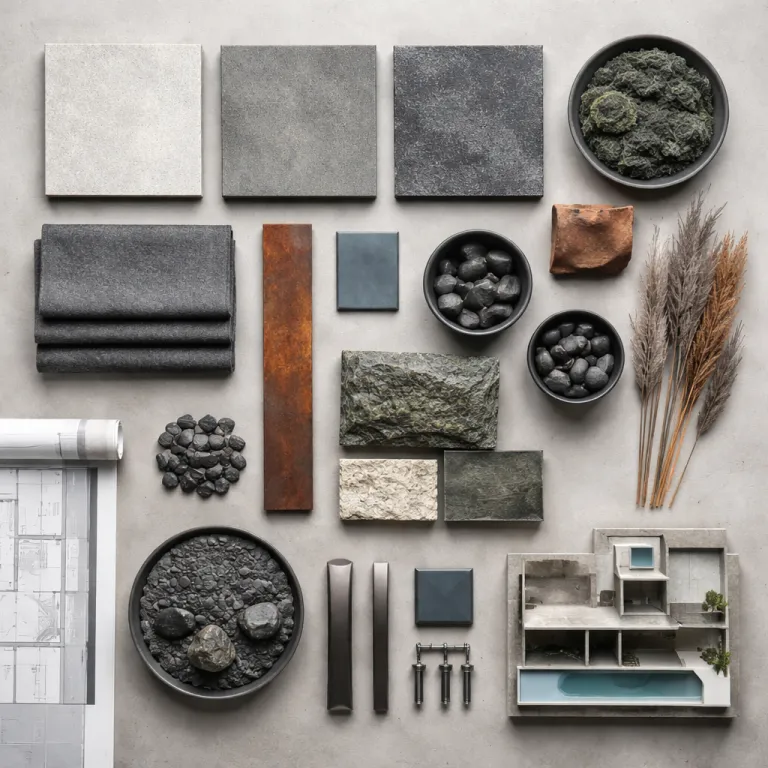
Walk into a serious modern villa in Tuscany, the Cyclades or Bali and the first impression is texture, not shine. Designers are replacing cold marble expanses with honed local stone, warm oak, reclaimed teak and clay plaster that age gracefully in lived-in homes. In a well considered luxury villa, these materials feel both natural and deliberate, creating interiors that frame the view rather than compete with it.
This material intelligence is evident in estates like the Tuscan property featured in a heritage villa with gardens and wine excellence, where villa design leans on terracotta floors, limewashed walls and timber beams. Similar strategies appear in recently completed retreats such as a Cycladic hilltop villa above Naoussa (completed 2022) and a jungle-fringed residence near Ubud (completed 2023), both of which use local stone and timber to create quiet, low-glare rooms. Such elements are not nostalgic decoration; they are high performance materials that regulate temperature, soften acoustics and give every room a grounded, tactile luxury. ASID’s 2023 Trends Outlook notes that projects using natural finishes report improved acoustic comfort and perceived thermal stability, which guests experience as quieter, more even-tempered rooms.
Interior design studios working at the top end now speak less about feature walls and more about material integrity across all villa interiors. They specify natural materials like stone, wood and linen repeatedly, because these elements age well under children’s feet, wet swimsuits and constant indoor outdoor circulation. As London-based designer Ilse Crawford has observed in interviews, truly luxurious interiors are those that "support human behaviour and make daily rituals feel effortless," a description that fits this new language of design luxury where the most memorable spaces are defined by the grain of the timber under bare feet and the way natural light moves across a clay wall at sunset.
“Projects with natural finishes report higher acoustic comfort and more stable perceived temperatures,” notes ASID’s 2023 Trends Outlook, echoing what many villa guests describe anecdotally.
How nature-inspired interiors perform in real climates and real villas
Nature-inspired luxury villa interiors are not just an aesthetic stance; they are a climate strategy. In Mediterranean villas, thick stone walls, shaded outdoor rooms and cross ventilated open layouts keep living spaces comfortable without aggressive cooling. In tropical homes, deep overhangs, slatted timber screens and breathable natural materials allow air to move while protecting every room from glare and heavy rain.
For a family choosing between glossy luxury interiors and more restrained villa interior schemes, performance matters as much as style. A modern villa with polished stone floors and full height glazing can look spectacular online, yet feel harsh and echoing once children start running through the house. By contrast, a luxury house with biophilic design, textured plaster, timber ceilings and layered outdoor spaces absorbs sound, filters light and makes the living room, kitchen and bedroom zones feel naturally temperate. The International WELL Building Institute, in its WELL Building Standard v2, links access to daylight, views and natural materials with measurable gains in comfort and perceived wellbeing, citing studies where occupants in nature-connected interiors report up to 15% higher perceived comfort and reduced stress markers, outcomes that translate directly into more restorative villa stays.
This is especially clear in properties where the pool and spa are brought inside, such as the refined estates highlighted in elegant houses with indoor pools for rent. Here, indoor outdoor boundaries blur, so materials must handle humidity, splashes and constant barefoot traffic. Natural materials like stone and treated timber outperform glossy finishes over time, ensuring that villa interiors remain beautiful after hundreds of guest stays, not just for the first photo shoot. In one coastal villa completed in 2021, for example, honed limestone pool surrounds and hardwood decking have required only light resealing after three high-season cycles, while a neighbouring property with high gloss tiles reported visible cracking and patch repairs within two seasons. In practice, this means more consistent aesthetics, fewer disruptive maintenance interventions and a more secure, comfortable surface underfoot.

Designers, sourcing and the discipline of local materials only
For Interior Designers working on serious luxury villas, the brief has changed from importing a look to revealing a place. Many studios now commit to sourcing the majority of materials, furniture and finishes within a defined radius of the house, turning constraints into a sharper, more authentic interior design language. This approach aligns with the documented increase in demand for natural materials and the growth in biophilic design adoption across high end homes, trends highlighted in ASID’s 2024 Outlook and similar industry reports.
Limiting a villa interior to local stone, regional woods and nearby craft ateliers forces a different kind of creativity. Instead of ordering the same international furniture brands, designers commission custom pieces that respond to specific rooms, light conditions and views, creating villa interiors that could not exist anywhere else. For homeowners, this means a luxury design narrative that is traceable and sustainable, with materials that can be repaired or refinished by local artisans rather than replaced at great cost. In a 2022 renovation of a hillside villa above Lucca, for instance, locally quarried pietra serena and chestnut joinery were chosen over imported composites; the design team estimated a 20–30% reduction in replacement costs over a 20-year period because damaged elements can be selectively repaired instead of fully swapped out.
Guests feel this discipline even if they cannot name the species of timber or the origin of the clay tiles. A living room table made from a tree felled on the site, or a bedroom headboard woven by a local workshop, carries a quiet authority that imported furniture rarely matches. When you browse a curated booking platform, look for mentions of local materials, regional craft and biophilic design; these are reliable signals that the villa design is more than surface level styling and that the interiors are likely to age gracefully between seasons.
What guests really notice, and how to choose the right villa
Industry professionals talk about design trends, but families remember how a house made them feel. In feedback from recent stays, guests consistently mention natural light, quiet bedrooms, generous outdoor spaces and the ease of moving between pool, kitchen and living room as markers of true luxury. They rarely praise gold taps; they talk about the breeze through the villa at night and the way the interiors seemed to belong to the surrounding nature.
When you scroll through luxury villas on a booking website, train your eye to read beyond the obvious styling. Notice whether the villa interior shows real indoor outdoor continuity, with sliding doors that fully retract and terraces that feel like extensions of the living spaces. Look for open layouts that still offer intimate rooms, so children can play in one area while adults enjoy a calm living room or shaded outdoor lounge nearby.
For deeper research into how architecture and landscape can merge, the feature on villas where the building becomes the landscape is a useful reference point. It shows how modern luxury now means a luxury house that disappears into its site, with villa interiors that feel carved from the same materials as the garden. As you shortlist homes, prioritise nature-inspired luxury villa interiors that use natural materials, biophilic design and thoughtful furniture placement to create spaces your family can inhabit effortlessly from sunrise to late evening.

FAQ
What is meant by nature-inspired luxury villa interiors ?
Nature-inspired luxury villa interiors use natural materials, earthy colours and biophilic design to connect the house with its surroundings. Stone, timber, linen and clay replace more ornate finishes, while natural light and views are treated as primary design elements. The goal is to create calm, high performance spaces that feel both luxurious and genuinely rooted in the local landscape.
How does biophilic design improve the villa experience for guests ?
Biophilic design improves the villa experience by integrating nature directly into everyday living spaces. This can include indoor plants, water features, natural materials and carefully framed views that reduce stress and support well being. The International WELL Building Institute cites research linking access to daylight and greenery with lower stress markers and higher reported comfort, so guests typically experience these interiors as more restful, with better air quality, softer acoustics and a stronger sense of connection to the outdoors.
Are natural materials harder to maintain in a rental villa ?
Well specified natural materials are often easier to maintain over time than high gloss finishes. Honed stone, solid timber and quality linen age gracefully, can be refinished or repaired and tend to hide minor wear better than polished surfaces. For villa owners and managers, this means lower long term maintenance costs and interiors that stay attractive across many guest turnovers.
What should I look for in photos when choosing a nature-inspired villa ?
In photos, focus on how the interiors relate to the landscape rather than just decorative objects. Look for generous windows, shaded terraces, indoor outdoor transitions and a consistent material palette of stone, wood and natural fabrics. Pay attention to how the living room, kitchen and bedroom spaces receive light at different times of day, as this strongly influences comfort during your stay.
Do children and families really benefit from this style of interior design ?
Families often find nature-inspired interiors more forgiving and comfortable than highly polished spaces. Textured floors, robust natural materials and open layouts handle everyday use, from wet swimsuits to scattered toys, without feeling fragile. Children benefit from better daylight, access to outdoor spaces and calmer acoustics, while adults enjoy a luxury environment that does not feel precious or restrictive.
References
Interior Design Trends 2025: Nature & Texture (industry report).
American Society of Interior Designers (ASID), 2023 and 2024 Trends Outlook reports on biophilic design and natural materials, including sections on acoustic comfort and thermal perception.
International WELL Building Institute, WELL Building Standard v2 and related guidelines on health focused interior environments, with research summaries on daylight, views and natural materials.