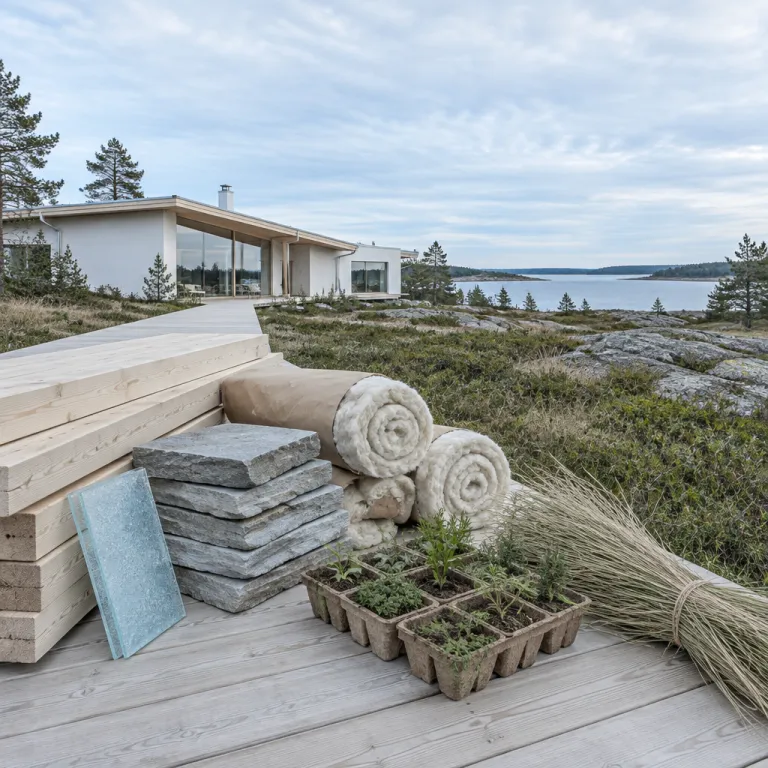
When conservation becomes the quiet luxury of space and silence
Conservation luxury villa estate rewilding is reshaping what high end escape means. A new generation of owners treats every hectare of land as a living asset, where the value lies in ecological restoration rather than ornamental landscaping. For a solo explorer, that translates into stays where the pool, the view and the surrounding wildlife are curated with the same care as the wine list.
Think of an estate where rewilding projects sit at the heart of the business model, not as a side project for marketing copy. Instead of lawns and golf, you find wood pasture, rough grassland and natural scrub, managed through a conservation rewilding approach that uses grazing animals rather than heavy control by machinery. The result is a villa stay where biodiversity, not just design, becomes the real measure of luxury.
Places inspired by the knepp estate story show how this can work in practice. On such land, free roaming cattle ponies, hardy ponies pigs and even Tamworth pigs shape the habitat, while white storks and turtle doves return to nest above the roofs of carefully placed villas. For you as a guest, conservation is not a lecture but a backdrop ; you swim, read and sleep while a rewilding project quietly rebuilds an ecological system outside your terrace.
The solo explorer’s draw: privacy, wildlife and genuine remove
For independent travelers, conservation luxury villa estate rewilding offers something that classic resorts cannot match. You are not just renting a house with a pool ; you are stepping into a nature reserve where access is limited, wildlife is abundant and the horizon is largely yours alone. The solitude feels earned, because the estate has chosen low guest numbers to protect both species and sense of place.
On a well run rewilding project, the villa is positioned as a discreet outpost within a wider ecological restoration effort. Paths are cut lightly through wild grass, lighting is kept low to respect nocturnal animals and any farming that remains follows a low intensity, nature friendly approach. This is where conservation rewilding aligns with the best ideas in regenerative tourism, as explored in depth in this guide to villas pioneering regenerative tourism.
For you as a solo guest, that means trading instant room service for long term immersion in living systems. Morning coffee might come with the sound of cattle ponies moving through wood pasture, while evenings bring silhouettes of white storks circling above the estate. The luxury lies in time and trust ; you are trusted to roam respectfully, and the land slowly trusts you back as wildlife grows bolder around the villa.
How estates fund stewardship through a few high value guests
Behind every conservation luxury villa estate rewilding success story sits a clear business logic. Large tracts of land are expensive to restore and manage, especially when owners step back from intensive farming and traditional conservation methods that rely on constant human control. High nightly rates for a small number of villas become the financial engine that keeps the rewilding project viable.
In this model, the estate treats each villa as a discreet revenue node within a much larger ecological asset. Income from your stay supports wildlife trust style monitoring, habitat restoration and the careful management of free roaming animals that keep the system dynamic. Some owners publish transparent impact reports on a dedicated project website, outlining how guest spending flows into long term conservation rather than short term cosmetic upgrades.
For travelers wary of greenwashing, regulation is starting to help separate signal from noise. New rules on environmental claims in tourism, analysed in this overview of anti greenwashing rules for villa travelers, make it harder for an estate to market itself as wild without measurable ecological outcomes. When you see references to a named wildlife trust partner, clear data on species returning and specific restoration targets, you are usually looking at conservation rewilding that goes beyond marketing language.
Reading the landscape: where rewilding is real, not just a moodboard
From a guest’s perspective, the most reliable guide to authentic conservation luxury villa estate rewilding is the land itself. An estate that has genuinely stepped back from intensive control rarely looks manicured ; paths may be uneven, scrub may encroach and views might be framed by wild hedgerows rather than clipped lawns. That slight untidiness is often the visual signature of ecological restoration in progress.
Look for signs that the estate is managed as a coherent project rather than a decorative backdrop. Are there mixed age wood pasture areas, with scattered trees and rough grass grazed by cattle ponies or similar hardy animals ? Do you see evidence of natural processes at work, such as fallen timber left for insects, or seasonal wetlands allowed to flood rather than being drained for convenience. These are the details that separate genuine rewilding projects from estates that only borrow the language.
Digital due diligence helps as well, especially for solo explorers booking remotely. A serious rewilding project website will usually reference specific species being tracked, such as turtle doves, white storks or other indicator birds, and may mention partnerships with organisations similar to Sussex Wildlife Trust or a regional wildlife trust. Cross checking those claims against independent conservation bodies, and against analytical pieces on shifts in the villa market such as this look at how new openings reshape expectations, gives you a clearer sense of which estates treat nature as an ecosystem rather than a marketing theme.
Designing for wilderness: what your stay actually feels like
Staying on a conservation luxury villa estate rewilding property feels subtly different from a classic countryside rental. The architecture tends to sit low in the landscape, with large windows framing wild views rather than formal gardens, and outdoor spaces designed for quiet observation rather than loud gatherings. You are encouraged to move slowly, to notice the shift in light over wood pasture and to accept that wildlife sets the schedule more than you do.
Operationally, these estates often borrow lessons from places such as Knepp Estate or the Ken Hill and Wild Ken projects, where free roaming animals drive habitat change. You might see cattle ponies or Tamworth pigs moving through the land as part of a carefully planned grazing regime, with minimal fencing to allow natural behaviours while still maintaining safety and control. Traditional conservation is not abandoned entirely, but blended with a looser approach that trusts ecological processes to do much of the restoration work.
For you, that means embracing a few trade offs in exchange for depth of experience. Connectivity can be patchy, access tracks may be rough and you may be asked to follow specific paths to avoid disturbing sensitive species at key times. Yet the reward is a rare sense of alignment between your private villa, the wider estate and the wild systems that surround both, which is precisely what sets this new wave of conservation rewilding villas apart.
Choosing your wilderness estate: practical filters for solo villa guests
When you start shortlisting conservation luxury villa estate rewilding options, begin with clarity about your own thresholds. How remote are you comfortable being, how much self sufficiency do you enjoy and how closely do you want to engage with the estate’s conservation work. Solo explorers tend to thrive where there is enough infrastructure for safety, but enough wildness to feel genuinely away from it all.
Next, interrogate how the estate talks about its project and its land. Do they reference specific rewilding projects, named partners such as a regional wildlife trust or Sussex Wildlife style organisation, and concrete ecological outcomes like increased biodiversity or the return of flagship species. Or do they rely on vague language about nature and wellness, with little detail on how farming has shifted or how animals are managed.
Finally, look for signs of long term commitment rather than short term trend chasing. An estate that has reduced stocking densities, allowed wood pasture to regenerate and invested in ecological monitoring is unlikely to reverse course quickly, because the whole business now rests on the health of the land. That alignment between conservation rewilding and commercial strategy is what makes these villas compelling ; your booking supports restoration, and the restored landscape in turn elevates your stay.
FAQ
How is a conservation led villa estate different from a standard countryside rental ?
A conservation led villa estate is managed primarily for ecological restoration, with guest stays funding habitat work and wildlife monitoring. Standard countryside rentals usually treat the surrounding land as a backdrop, focusing investment on interiors and amenities rather than biodiversity. On a rewilding estate, grazing animals, vegetation patterns and even access routes are designed around ecological goals first.
What should I check before booking a rewilding focused villa as a solo traveler ?
Confirm how remote the estate is, what transport options exist and whether there is reliable phone or internet coverage if you need it. Ask for clear information on safety protocols, from wildlife encounters to medical access, and on any self catering requirements. It is also worth requesting details on the conservation project itself, including species being monitored and how guest revenue supports the work.
Will I actually see wildlife during a short villa stay on a rewilding estate ?
Wildlife sightings can never be guaranteed, but rewilding estates often hold higher densities and greater diversity of species than intensively farmed land. Even over a few days, you are likely to notice more birds, insects and mammals, especially at dawn and dusk. Many estates provide simple field guides or optional guided walks to help guests understand what they are seeing.
Are conservation focused villas more expensive than other luxury rentals ?
Nightly rates are often higher because guest numbers are deliberately limited and part of the revenue funds long term land management. However, you are paying for access to a large, semi private nature reserve as much as for the villa itself. For solo travelers who value space, quiet and meaningful environmental impact, that premium can represent strong value.
How can I tell if an estate’s conservation claims are genuine and not greenwashing ?
Look for specific details such as named conservation partners, measurable targets, and evidence of changes in land use or species numbers over time. Genuine projects usually share transparent information on their website and are comfortable answering detailed questions about their approach. Vague language about being eco friendly, without data or independent references, is a warning sign.